
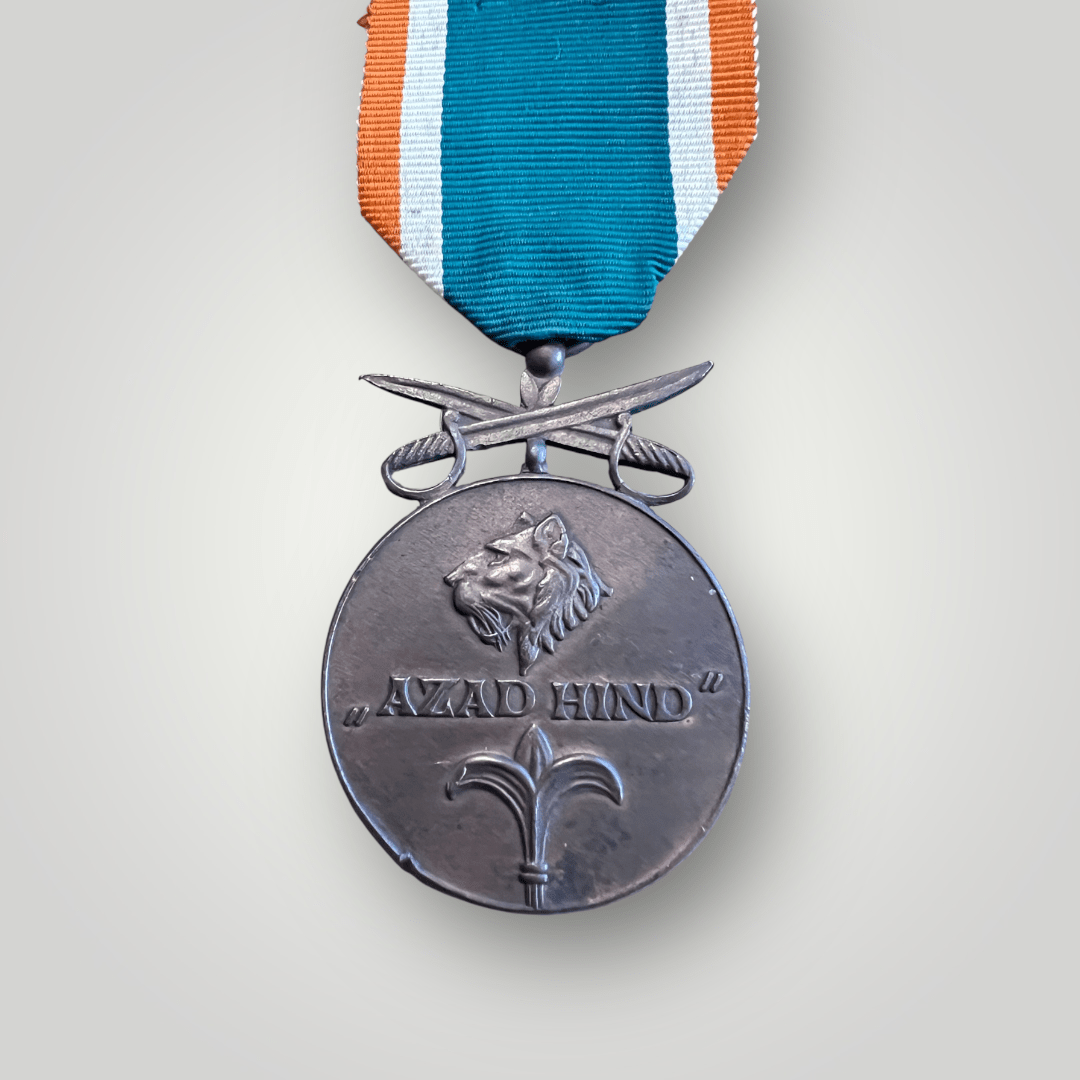

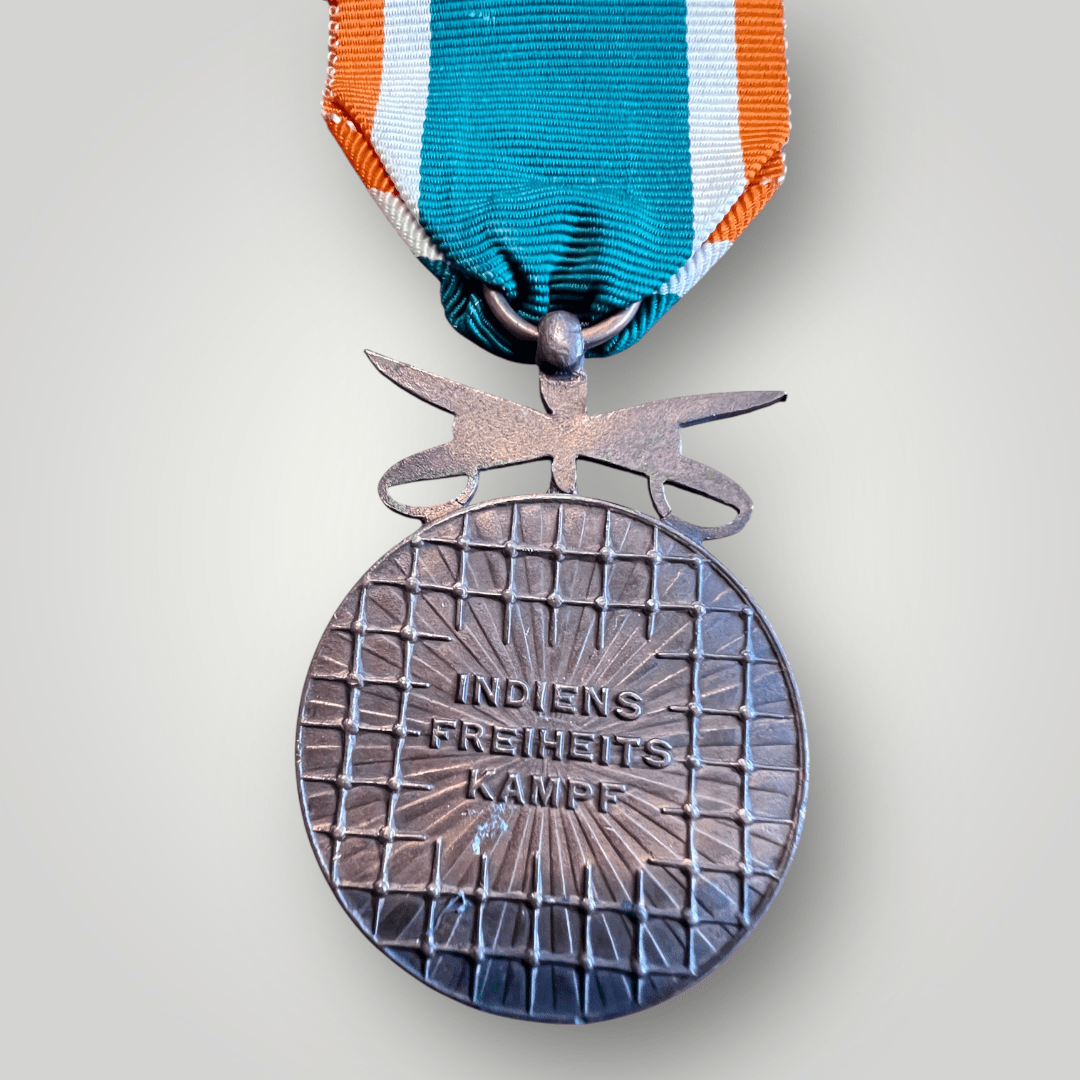
Description
Brief History Azad Hind Medal
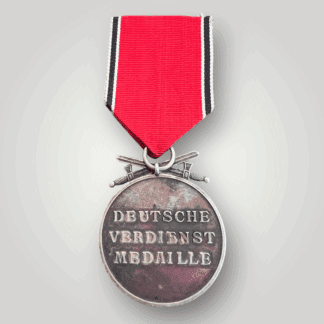
The Azad Hind Medal was instituted during the Second World War by Subhas Chandra Bose, a prominent leader of the Indian independence movement, to honour outstanding service and sacrifice in the struggle for India’s freedom from British colonial rule. Established in 1942, the medal was intended as a symbol of recognition for members of the Indian National Army (INA) and its supporters, who fought alongside Axis forces in their campaign to liberate India. The award was issued in several classes, with and without swords, to denote combat and non-combat contributions respectively. The medal was awarded to both Indian and German troops.
Produced in Germany and Austria, the medals were struck in bronze, silver, and gold varieties, reflecting the degree of merit or gallantry. Although not officially recognised by the post-independence Government of India, the Azad Hind Medal remains a powerful emblem of the sacrifices made by the INA and its enduring legacy in the broader narrative of India’s fight for independence.